Father’s Day Behind Bars: The Unseen Challenges of Parenting from Prison
Father’s Day is often filled with family gatherings, handmade cards, phone calls, and cherished moments between parents and their children. For thousands of incarcerated fathers, however, the day serves as a powerful reminder of the distance that separates them from the people they love most.
Parenting from prison is a reality that is rarely discussed, yet it affects families across the country. While incarceration is intended to hold individuals accountable for their actions, the consequences often extend far beyond the prison walls, touching children, spouses, grandparents, and entire communities.

The Pain of Physical Separation
One of the greatest challenges of parenting from prison is the inability to be present for everyday moments. Fathers miss birthdays, school performances, sporting events, graduations, and simple routines like helping with homework or reading a bedtime story.
Even when communication is possible through letters, phone calls, or video visits, these interactions cannot fully replace a reassuring hug, a conversation around the dinner table, or being there when a child needs guidance. Over time, physical absence can make it difficult to maintain strong emotional connections.
Maintaining a Parent-Child Relationship
Building and sustaining trust is difficult under any circumstance, but incarceration creates additional barriers. Limited visitation schedules, expensive phone calls, transportation challenges, and institutional rules can make regular communication inconsistent.
Young children may struggle to understand why their parent is absent, while older children may experience feelings of anger, embarrassment, confusion, or abandonment. Fathers often carry the burden of knowing they cannot provide immediate comfort or support during life’s challenges.
Despite these obstacles, many incarcerated parents work diligently to remain involved by writing letters, participating in educational programs, attending parenting classes, and encouraging their children’s academic and personal growth from a distance.
The Emotional Toll
Parenting from prison often brings feelings of guilt, regret, and helplessness. Fathers may question whether they are still viewed as role models or whether their children will remember them positively.
At the same time, children may experience anxiety, sadness, or social stigma because of their parent’s incarceration. They may hesitate to discuss their family situation with friends or classmates, leading to feelings of isolation.
Maintaining hope requires resilience from both parent and child, as well as support from caregivers and extended family members who help preserve those important relationships.
The Role of Family and Community
Grandparents, spouses, relatives, mentors, faith communities, and nonprofit organizations often become the bridge between incarcerated parents and their children. They facilitate visits, encourage communication, and remind children that they are loved.
Programs that promote family engagement have shown that maintaining healthy family connections can benefit everyone involved. Children gain a stronger sense of identity and belonging, while incarcerated parents often find greater motivation to pursue education, counseling, vocational training, and personal growth.
Looking Toward Reentry
For fathers preparing to return home, parenting presents a new set of challenges. Children have grown and changed, routines have been established without them, and rebuilding trust takes time. Reentry requires patience, accountability, and a willingness to listen and learn.
Successful reunification is rarely immediate. It is a gradual process built through consistency, honesty, and showing up in meaningful ways. Communities that provide employment opportunities, counseling services, and family support programs help create a stronger foundation for parents returning to their children.
A Father’s Day Reflection
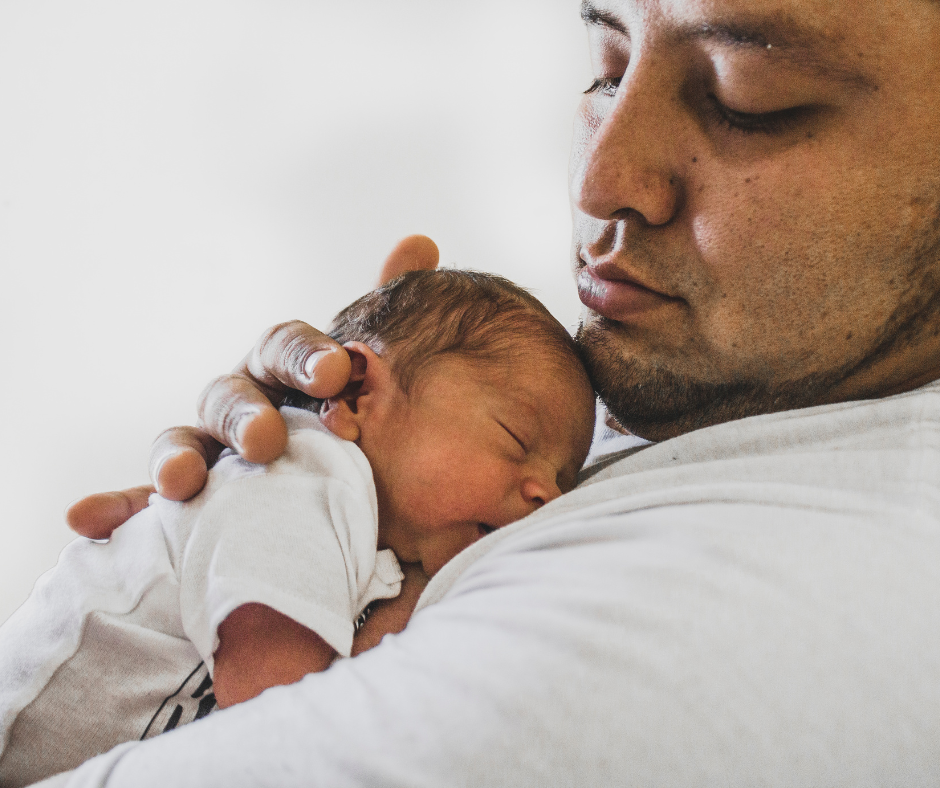
Father’s Day is a celebration of love, responsibility, and the enduring bond between parent and child. For fathers who are incarcerated, it is also a reminder of opportunities lost and hopes for redemption.
Acknowledging the challenges of parenting from prison does not diminish the importance of accountability. Rather, it recognizes that children benefit when positive family relationships are preserved and when parents are given meaningful opportunities to grow, accept responsibility, and prepare for a better future.
Behind every prison sentence is often a family navigating separation, uncertainty, and hope. This Father’s Day, it is worth remembering not only the fathers who are present but also those striving to remain connected to their children despite extraordinary barriers. Their journey reflects the enduring truth that while walls can separate people physically, the desire to love, guide, and support one’s children often remains unchanged.
Join Our Community of Change-Makers 
Are you ready to make a difference? Our community thrives on passionate individuals who want to help.
Joining Second Chance Quest means becoming part of a movement that changes lives. By supporting our initiatives, you empower change.
The time to act is now. The more we wait, the more we miss out on shaping the future. Be a change-maker today and leave a lasting impact on the next generation. Make a Difference Today! – Second CQ